AI Product Photography vs. Traditional Studio Photoshoots: Cost, Speed & ROI Analysis
An honest, line-by-line financial breakdown comparing physical commercial photo studios against modern AI generation platforms. Learn when to use each approach for maximum e-commerce profitability.
Snappacy Financial & Growth Team
E-Commerce Unit Economics Analysts
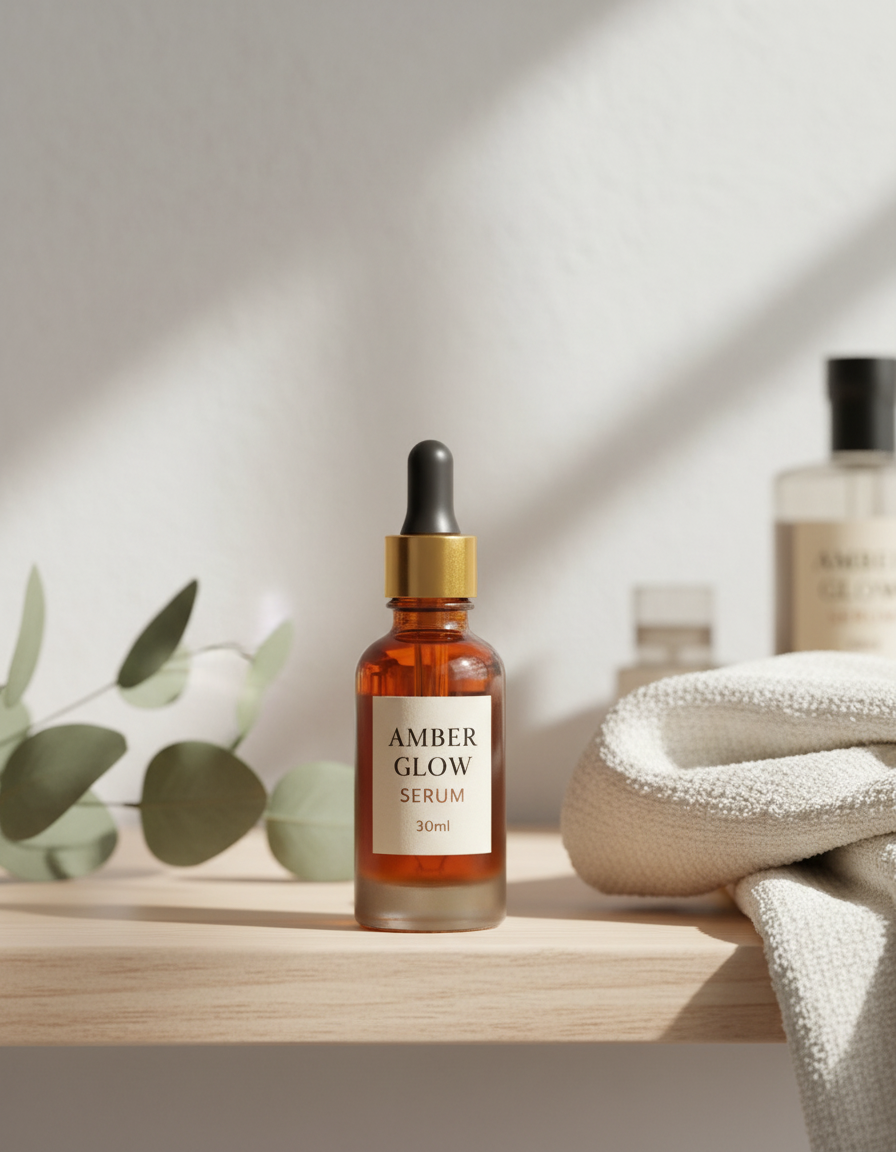
1. The Hidden Costs of Traditional Commercial Shoots
For decades, high-quality visual content was the primary barrier to entry separating venture-funded consumer brands from bootstrapped founders. If you wanted crisp, magazine-grade product photos in sunlit architectural kitchens or polished marble studios, you had only one option: booking a commercial photography production.
However, the true expense of a traditional photoshoot is rarely captured in the initial quote. Beyond the photographer's headline rate, brands face a compounding cascade of logistical friction:
- Physical Sample Logistics: Shipping pre-production prototypes across states or countries, customs delays, and the risk of damaged goods on arrival.
- Studio Rental & Equipment Fees: Commercial photography studios in major metropolitan hubs charge between $800 and $2,000 per day just for stage access and Profoto lighting packages.
- Prop Sourcing & Set Dressing: Purchasing perishable botanicals, specialty kitchenware, tiles, and styling fabrics that are used once and discarded.
- Talent & Model Booking: Hand models and on-camera talent add $500 to $1,500+ per day, along with complex commercial usage rights agreements.
- Retouching Lag: Waiting 10 to 14 business days for colorists to manually clip paths, remove dust specks, and balance chromatic aberrations.
2. Line-by-Line Financial Breakdown (10 SKUs)
To understand why e-commerce founders are rapidly transitioning to AI-assisted workflows, let's examine the actual budget breakdown for a brand launching 10 new product SKUs:
| Expense Category | Traditional Commercial Studio | Snappacy AI Studio |
|---|---|---|
| Photographer Day Rate | $1,200 – $2,500 | $0.00 |
| Studio Space & Lighting Hire | $600 – $1,200 | $0.00 |
| Prop Stylist & Wardrobe | $400 – $800 | $0.00 |
| Sample Shipping & Insurance | $150 – $300 | $0.00 |
| Retouching & Clipping (50 shots) | $1,000 – $2,000 ($20–$40/img) | Included automatically |
| Platform / Credit Cost | $0.00 | $15 – $30 (Credits) |
| Total Financial Outlay | $3,350 – $6,800 | $15 – $30 |
| Turnaround Time | 14 to 21 Business Days | Under 5 Minutes |
| Cost per Finished SKU | $335 – $680 / SKU | $1.50 – $3.00 / SKU |
3. Head-to-Head Comparison Matrix
Beyond pure dollars and cents, operational velocity is where high-growth e-commerce teams win. Here is how both workflows compare across critical operational vectors:
- Speed to Market: Traditional shoots take 2–3 weeks. AI takes 60 seconds, allowing you to launch listings or seasonal campaigns weeks ahead of competitors.
- A/B Creative Testing: Testing 5 different background themes in a physical studio costs thousands. With AI, testing coastal vs. minimalist vs. editorial backgrounds costs pennies.
- Visual Consistency Across Entire Catalog: Physical shoots done across different months suffer from shifting lighting, different lens focal lengths, and varied retouchers. AI preserves identical lighting equations across 1,000+ SKUs.
- Iteration & Reshoots: Did your packaging change slightly? In a physical studio, you must pay for a full reshoot. In AI, you upload the updated render and re-generate existing scenes instantly.
Try It On Your Products
Test Amazon & Shopify Studio Generation in 60 Seconds
Get 3 free credits immediately upon signup. Zero setup fees or card details needed.
4. Closing the Quality Gap: 2026 AI Photorealism
In 2023, early AI image generators struggled with text rendering, distorted packaging edges, and cartoonish 'plastic' sheen. However, the state of diffusion modeling has transformed in 2026.
With advanced depth guidance, surface normal conditioning, and text-anchor preserving pipelines, platforms like Snappacy generate photorealistic caustics, physically accurate contact shadows, and razor-sharp label clarity that is indistinguishable from medium-format camera files.
5. When to Shoot Physically vs. When to Use AI
We believe in honest engineering: AI is not a universal replacement for 100% of visual tasks. Here is the decision matrix we recommend to modern retail brands:
Use Traditional Physical Shoots When:
• You are producing a high-fashion runway lookbook requiring dynamic human garments draped on runway models.
• You require complex multi-person interaction video commercials for national broadcast television.
• Your product has micro-engineered optical prisms or holographic foils that require physical laser testing.
Use AI Product Photography When:
• You need Amazon, Shopify, Etsy, or Walmart marketplace main shots and multi-angle product catalogs.
• You need contextual lifestyle photos (skincare on bathroom vanities, supplements in gym environments, bottled drinks on café tables).
• You are running high-velocity paid ad testing on Meta, Google Shopping, and TikTok.
• You are bootstrapping a new product line and want to validate customer demand before committing $5,000+ to physical production.
6. Calculating Your Annual Photography ROI
Consider a growing DTC brand introducing 4 new product collections per year (approximately 25 SKUs total). Under traditional studio rates ($250/SKU), annual visual spend averages $6,250 with roughly 80 days of accumulated waiting time.
By shifting catalog and ad creation to Snappacy, the annual cost drops to under $100 with zero lead time—freeing up over $6,100 directly into working capital for paid media acquisition and inventory expansion.
Experience the Difference Free
Create your free account today and claim 3 free credits. Generate your first professional product shoot and experience the speed firsthand.
Frequently Asked Questions
Turn One Raw Product Photo into High-Converting Listing Assets
Stop waiting 3 weeks for commercial photography studios. Snappacy generates multi-angle white background shots, lifestyle scenes, and social creatives in 60 seconds.
Related Playbooks & Guides
View all
A complete guide to Amazon's technical image standards, common suppression traps, the 7-slot listing formula, and how to generate 100% compliant marketplace assets in minutes.
Why pure white-background photos alone fail on Shopify storefronts, how contextual lifestyle imagery increases purchase intent by 40%, and how to build an editorial visual identity on a bootstrap budget.
You don't need a $3,000 DSLR or professional lighting rig to create catalog-worthy product photos. Learn how to turn raw phone pictures into luxury studio renders using simple DIY techniques and AI.